Hormuz Haywire Act
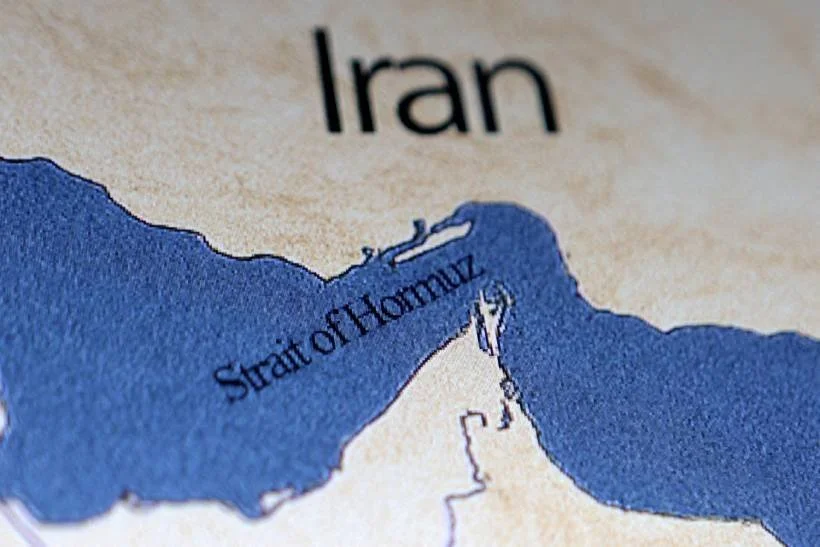
A storm is growing over President Trump’s deal to end the war with Iran.
The memorandum of understanding (MOU) agreed between the two sides is expected to be formally signed in Switzerland on Friday. It has already been signed electronically by senior figures in Washington and Tehran, including Trump.
But no official text has been made public. The vacuum has been filled by fear, speculation and, increasingly, by leaks of the text that may or may not be accurate.
Trump on Tuesday promised he would go though the MOU “word by word” in public — but not immediately, only in “the next couple of days.”
The bottom line is that Republican lawmakers, especially those of a more hawkish worldview, are deeply uneasy; some prominent conservative commentators are incandescent; and people around Israeli Prime Minister Benjamin Netanyahu are making it known that requests to see the MOU have been rebuffed, which they cast as extraordinary and shabby treatment of an ally.
Inflation hits everyone but pounds the working class hardest as basic necessities grow increasingly unaffordable. The war with Iran pushed an already strained public closer to crisis, creating political pressure that could spell trouble for the Administration. A reluctant withdrawal has produced major hardship, and Iran may be no weaker—perhaps even stronger—than it was before. Important details about these developments remain unreleased.